
Zahra
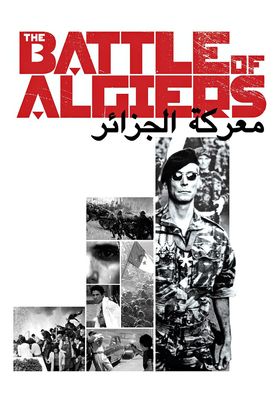
The Battle of Algiers
"Battle of Algiers" is not just a film; it is a profound odyssey that navigates the labyrinthine corridors of humanity's collective consciousness. Through its monochromatic tapestry, the film weaves a symphony of chiaroscuro emotions, casting shadows that dance with the resilience of the human spirit against the backdrop of Algerian independence. Director Gillo Pontecorvo's deft touch imbues the narrative with a chiaroscuro of truth and memory, where past and present coalesce in a mosaic of defiance and aspiration. The film's non-linear narrative, akin to the intricate pathways of memory, draws us into the core of the Algerian struggle. The docudrama approach blends reality and cinema, offering a harrowing yet illuminating account that treads the fine line between oppressor and oppressed. The non-professional actors, bearers of raw authenticity, become conduits for the voices that history often overlooks. Ennio Morricone's score is not merely musical accompaniment, but an ethereal incantation that evokes the primal rhythms of a nation's heartbeat – the oscillation between hope and despair. As an Algerian observer from a distance, my repeated pilgrimage to this celluloid altar underscores my desire to glean deeper truths, to bridge the temporal expanse and commune with the essence of my own heritage. In a world perpetually grappling with the echoes of struggle and liberation, "Battle of Algiers" stands as a mosaic of the human experience. Its tableau of sacrifice, resistance, and self-determination resonates across epochs, an eternal reminder that the yearning for autonomy is an elemental pulse within us all. As you engage with this cinematic opus from afar, you partake in a cosmic dialogue that transcends geography, an intangible connection to a narrative that reverberates through the annals of time.