
김까뮈
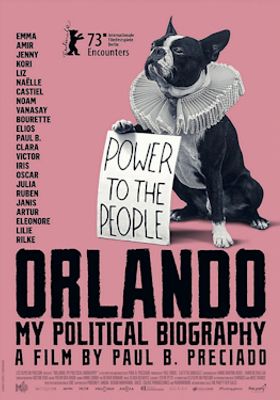
올란도, 나의 정치적 자서전
평균 3.4
“(수많은 트랜스젠더들이 성별정정을 받기 위해 고군분투하는) 신분증이란 무엇인가? 정치적 허상을 담은 자그마한 종이 쪼가리에 불가한 것이다. 이 허상은 우리가 공동으로 만들어 놓고도 그것에 대해 의문을 제기하거나 수정하거나 바꿀 수 있다는 것을 잊어버린 허상이다. 달리 말하자면, 이 허상은 수술대 위에 올려놓을 수 있다는 것이다” “우리는 개개인의 몸을 수술하고자 하는 것이 아니다. 우리가 수술하고자 하는 것은 정치적 역사이다. 우리가 수술해야 하는 것은 성차에 기반한 체제이다. 그리고 우리가 개입해야 할 담론들은 역사적으로 수없이 많다” 한 방송사가 트랜스젠더 페미니스트 철학자 폴 프레시아도에게 그의 전기영화를 제작하고 싶다고 접근하자, 프레시아도는 그 제안을 거절하고, 대신 직접 자신의 전기 영화를 제작했다. 그 전기영화는 한 개인의 전기가 아니라, 버지니아 울프가 창조한 캐릭터 ‘올랜도’에서 영감을 받아 수많은 트랜스젠더들의 삶을 엮어낸 공동의 전기영화였다. 이 영화는 올랜도의 이야기를 통해 프레시아도를 비롯한 수십 명의 트랜스젠더들의 삶과 그 증언을 담아냈다. 영화의 도발적 대사들이 입증하듯, 프레시아도의 다른 철학적 작업들과 함께, 이 영화는 이성애규범적이고 이분법적 젠더 규범에 순응하길 저항한다. 더 나아가, 젠더와 트랜스젠더를 둘러싼 전통적이고 의학적인 담론과 지식을 비판적으로 전복한다. 올랜도를 연기하는 수많은 올랜도들의 모습을 통해 젠더 수행성, 즉 젠더를 연기한다는 것, 살아간다는 것, 변형한다는 것, 그리고 궁극적으로 젠더를 해체한다는 것이 무엇인지 묻는다. 뉴 트랜스 시네마를 대표하는 이 영화는 젠더에 대한 급진적 사유뿐 아니라, 그 사유를 표현하기 위해 동원한 실험적 기법과 미학적 형식의 측면에서도 아방가르드 영화의 특징을 뚜렷이 보여준다. 이것이야말로 포스트모던 시네마이다. ㅡ “But what is an identity document, if not a piece of paper written and printed, a small booklet containing a political fiction? Shared fictions that we have collectively constructed and that we forget we can question, modify, change. Or, to put it another way, fictions that we can lay on an operating table” “We never operate on individual bodies. We operate on the political history. It is the regime of sexual difference we have to operate on. There are so many historical discourses on which we must intervene” When a broadcasting company approached feminist transgender philosopher Paul B. Preciado, proposing to produce a biographical film about his life, he rejected the idea and instead made his own biography—a collective biography of trans people, drawing inspiration from Orlando, the character created by Virginia Woolf. This film becomes both a biography and testimony of dozens of trans individuals, including Preciado himself, articulated through the story of Orlando. As the film’s provocative lines demonstrate it, along with Preciado’s broader philosophical work, refuses to comply with heteronormative binary gender norms, thereby challenging conventional, traditional, and medical discourses and knowledges surrounding gender and transgender identity. By portraying numerous Orlandos performing the role of Orlando, the film interrogates the performativity of gender—what it means to perform, live, transform, and ultimately dismantle gender. Representing New Trans Cinema, this film stands as a clear example of avant-garde cinema—not only through its radical ideas about gender, but also through its experimental style and methods of filmmaking used to articulate them. This is what postmodern cinema looks like.